


How to Build a Relaxed Wedding Day Timeline
Most couples only plan a wedding once, which means building a wedding day timeline can feel incredibly overwhelming at first. There are so many moving pieces to consider: photography coverage, ceremony timing, family photos, transportation, hair and makeup, sunset portraits, and somehow still making space to actually enjoy your wedding day in the middle of it all.
After more than 11 years of photographing weddings, I can confidently say this: a well-built wedding day timeline doesn’t just keep the day organized, it protects the experience of the day itself.
I’ve seen rushed timelines turn beautiful wedding days into productions where couples barely have time to breathe between events. I’ve also seen intentional timelines completely transform the energy of a wedding day, creating space for emotion, connection, spontaneity, and calm.
The couples who look the most relaxed in their photos usually aren’t the ones with “perfect” wedding days. They’re the ones who had enough breathing room to actually be present inside of them.
Why Your Wedding Day Timeline Matters So Much
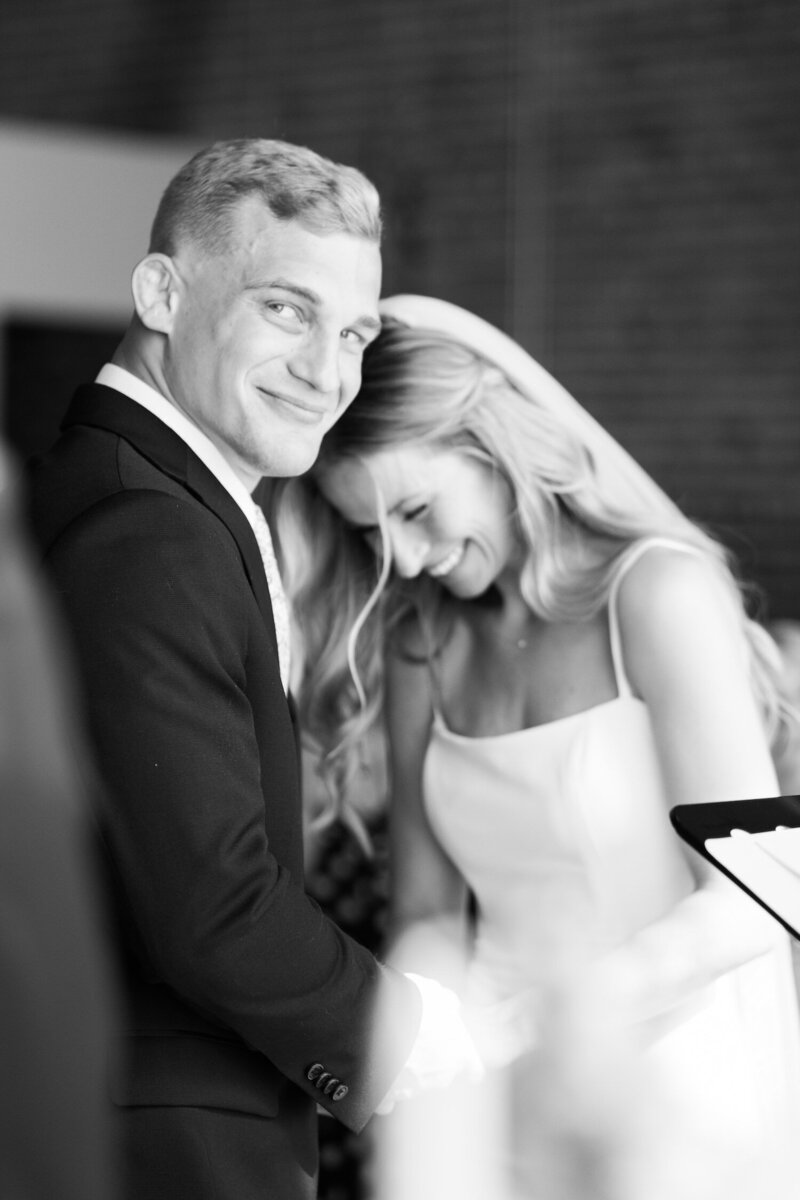
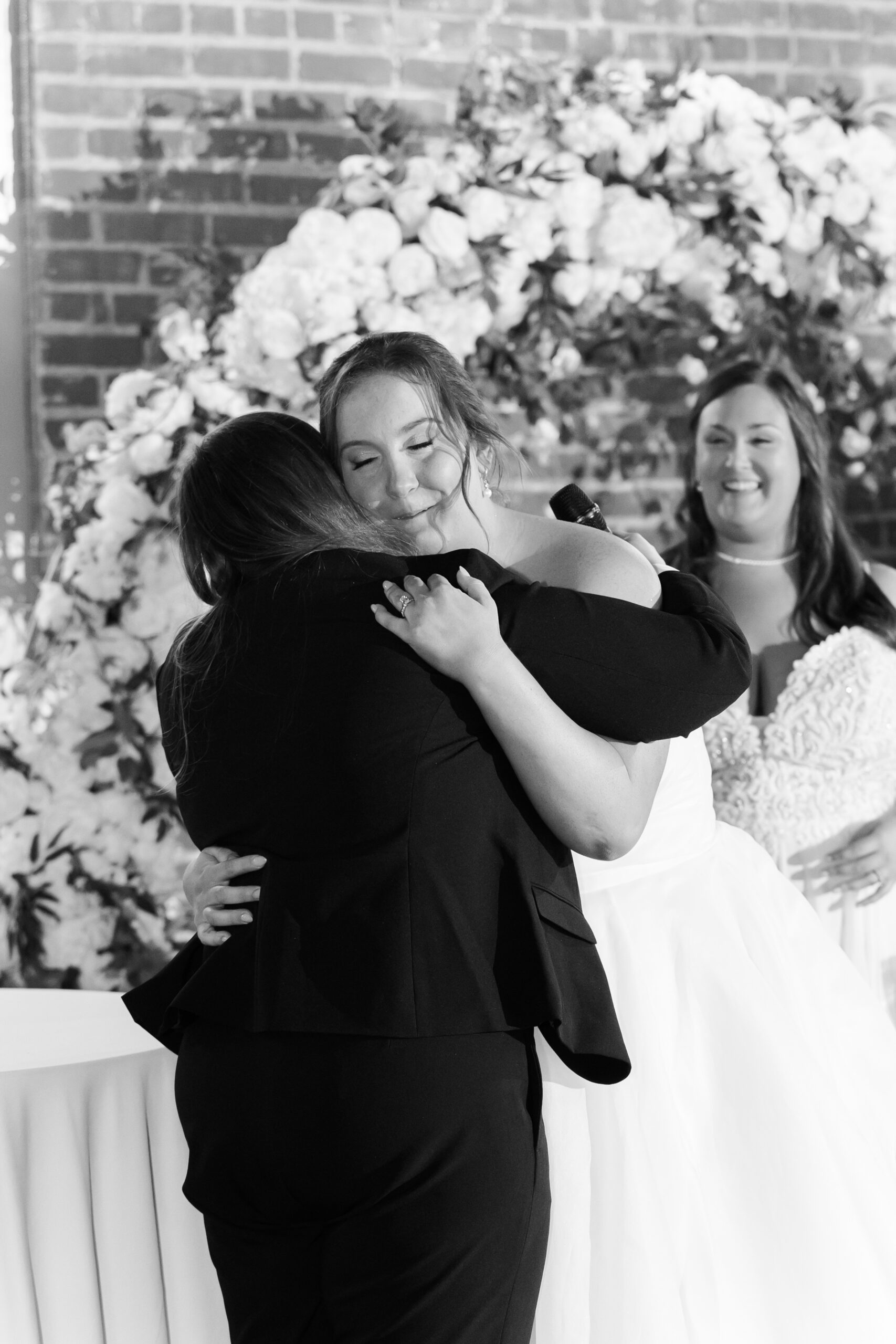
Your wedding day timeline shapes almost everything about how the day feels.
When timelines are rushed, stress builds quickly. Hair and makeup runs behind, family members disappear before portraits, transportation gets delayed, and suddenly everyone is scrambling to make up lost time. Instead of soaking in the experience, couples often feel like they’re trying to keep up with it.
On the other hand, intentional wedding day timelines create space for connection.
Space to hug your parents a little longer.
Space to laugh with your wedding party.
Space to breathe before walking down the aisle.
Space to actually enjoy cocktail hour instead of rushing through portraits.
One thing I’ve learned after photographing weddings for more than a decade, is that buffer time is everything.
I cannot tell you how many times extra padding in a timeline has saved the day entirely. I’ve photographed weddings where:
- A nearlywed forgot their tie and had to run across town to find one
- A dress needed emergency repairs
- Family members didn’t realize they were supposed to be dressed for getting-ready photosThe
- The transportation arrived late
- The DJ and photographer were working off completely different timelines
These things happen more often than couples realize, which is exactly why thoughtful timelines matter so much.
It’s not about scheduling every second of the day. It’s about creating enough room to actually experience it.
Start Your Wedding Day Timeline With the Ceremony Time
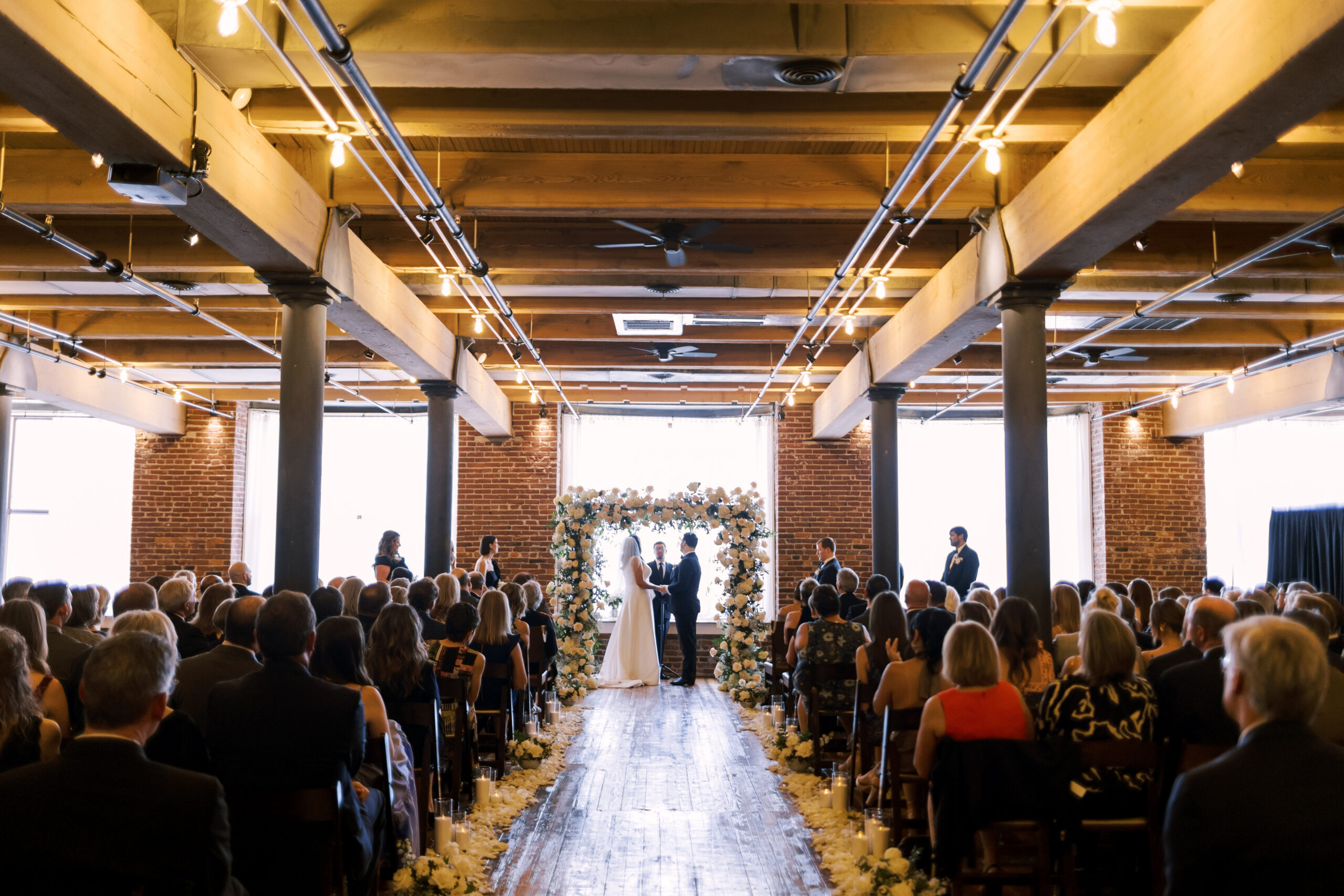
One of the biggest misconceptions couples have is that the timeline starts with getting ready.
In reality, your ceremony time determines almost everything else.
As photographers, we typically build your wedding day timeline backward from the ceremony. Once we know when you’re getting married, we can determine:
- When portraits should begin
- How much daylight we’ll have
- When family formals should happen
- Whether sunset portraits fit naturally into the schedule
- How much prep time you realistically need
Lighting plays a much bigger role in your timeline than most couples initially realize. Soft, natural light creates those glowy, romantic portraits couples often save endlessly on Pinterest, while harsh midday light can create stronger shadows and more limited location options.
That’s also why golden hour portraits are so worth protecting time for. Even just 10–15 minutes of sunset light can completely change the feel of your newlywed portraits.
Build More Buffer Time Into Your Wedding Day Timeline Than You Think You Need
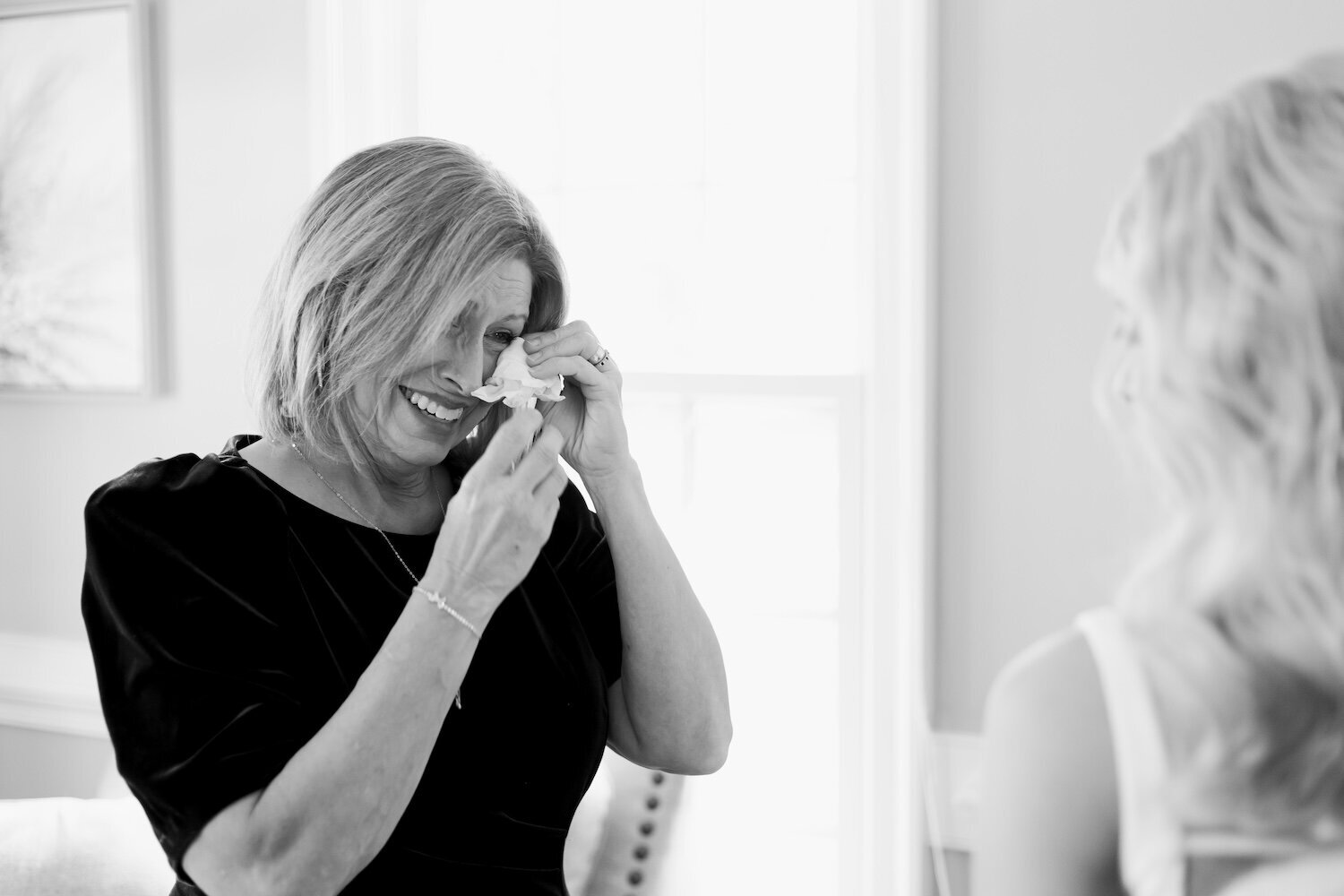
If there’s one thing I recommend to every couple, it’s this: add more buffer time than you think you’ll need.
The couples who feel most relaxed on their wedding day usually aren’t the ones with perfect timelines, they’re the ones with breathing room.
The biggest timeline delays almost always happen in the same places:
- Hair and makeup running behind
- Transportation delays
- Getting dressed taking longer than expected
- Missing details or forgotten items
- Gathering family members for portraits
- Guests arriving early
- Bustling dresses
- Fixing boutonnieres
- Navigating family dynamics
Once one thing falls behind, everything else starts compressing too.
That’s when couples begin feeling rushed. Portrait time gets shortened. Cocktail hour disappears. Stress levels rise. Adding intentional padding throughout the day allows moments to unfold naturally instead of forcing everything into tight windows.
Wedding days are emotional, unpredictable, and beautifully human. Your timeline should leave room for that.
How a Wedding First Look Helps Your Wedding Day Timeline
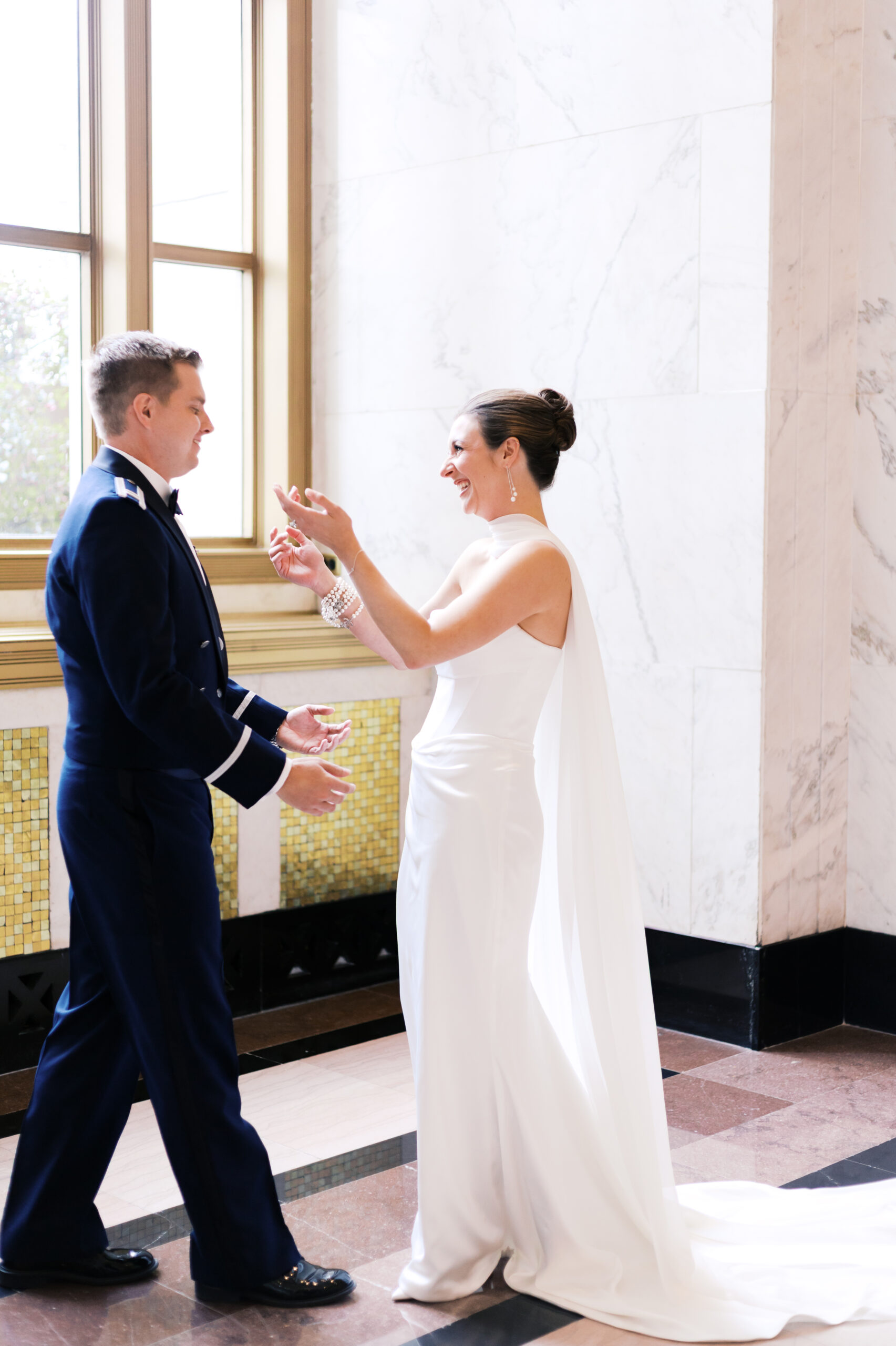
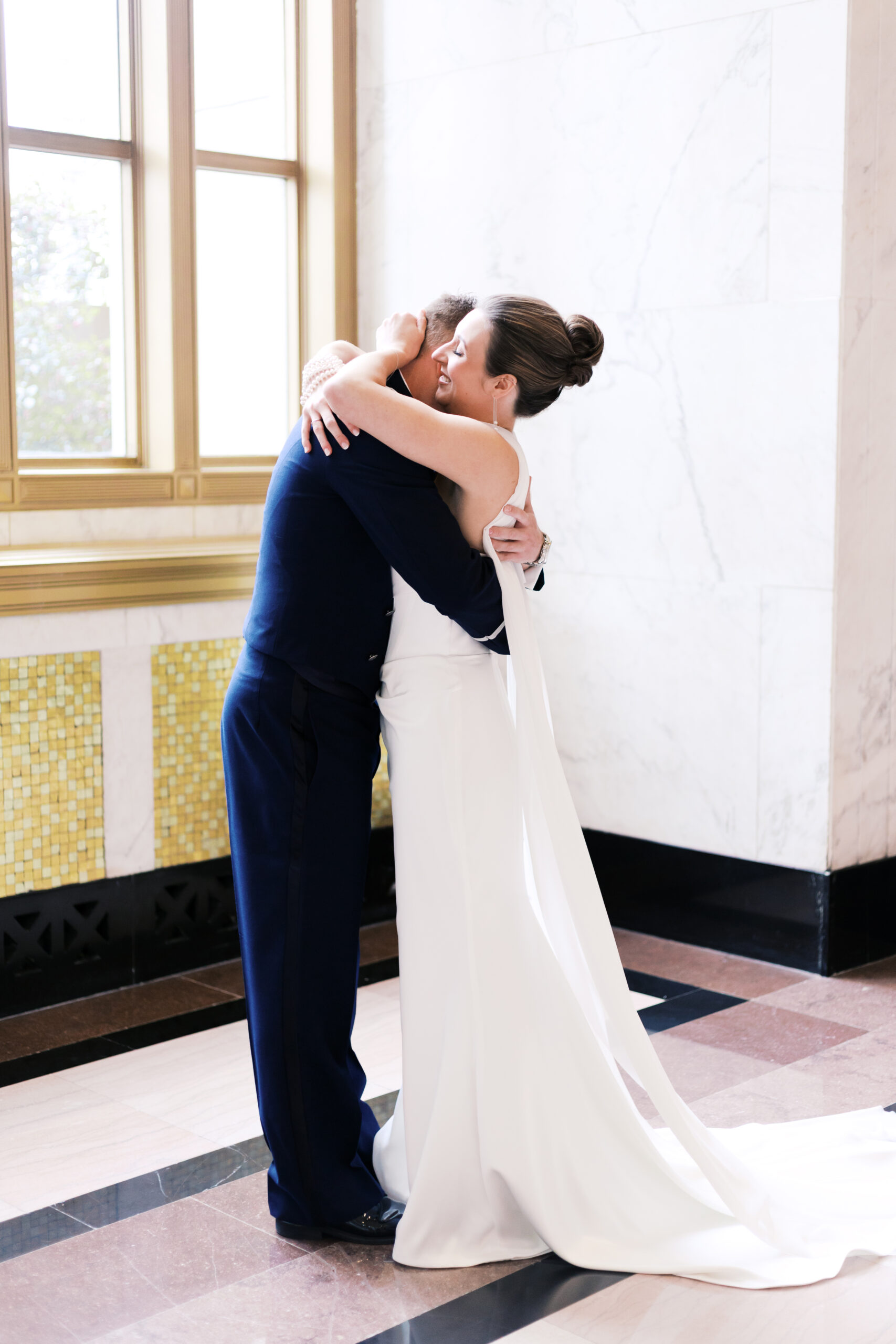
One of the biggest ways couples create a smoother wedding day timeline is by choosing to do a first look.
From a logistical perspective, first looks create so much flexibility throughout the day. By completing many portraits before the ceremony, couples often experience:
- A more relaxed cocktail hour
- Less rushing after the ceremony
- More intentional newlywed portraits
- More time with guests
- A calmer overall flow
Emotionally, first looks also help couples settle into the day earlier. Once the nerves soften, the rest of the timeline tends to feel far less overwhelming.
I’ve photographed wedding days both with and without first looks, and timelines with first looks almost always feel more relaxed overall because there’s less pressure packed into the short window immediately following the ceremony.
If you’re still deciding whether a first look feels right for you, I also created a full blog breaking down the emotional and practical differences between a first look and a traditional aisle reveal.
A Sample Wedding Day Timeline Breakdown
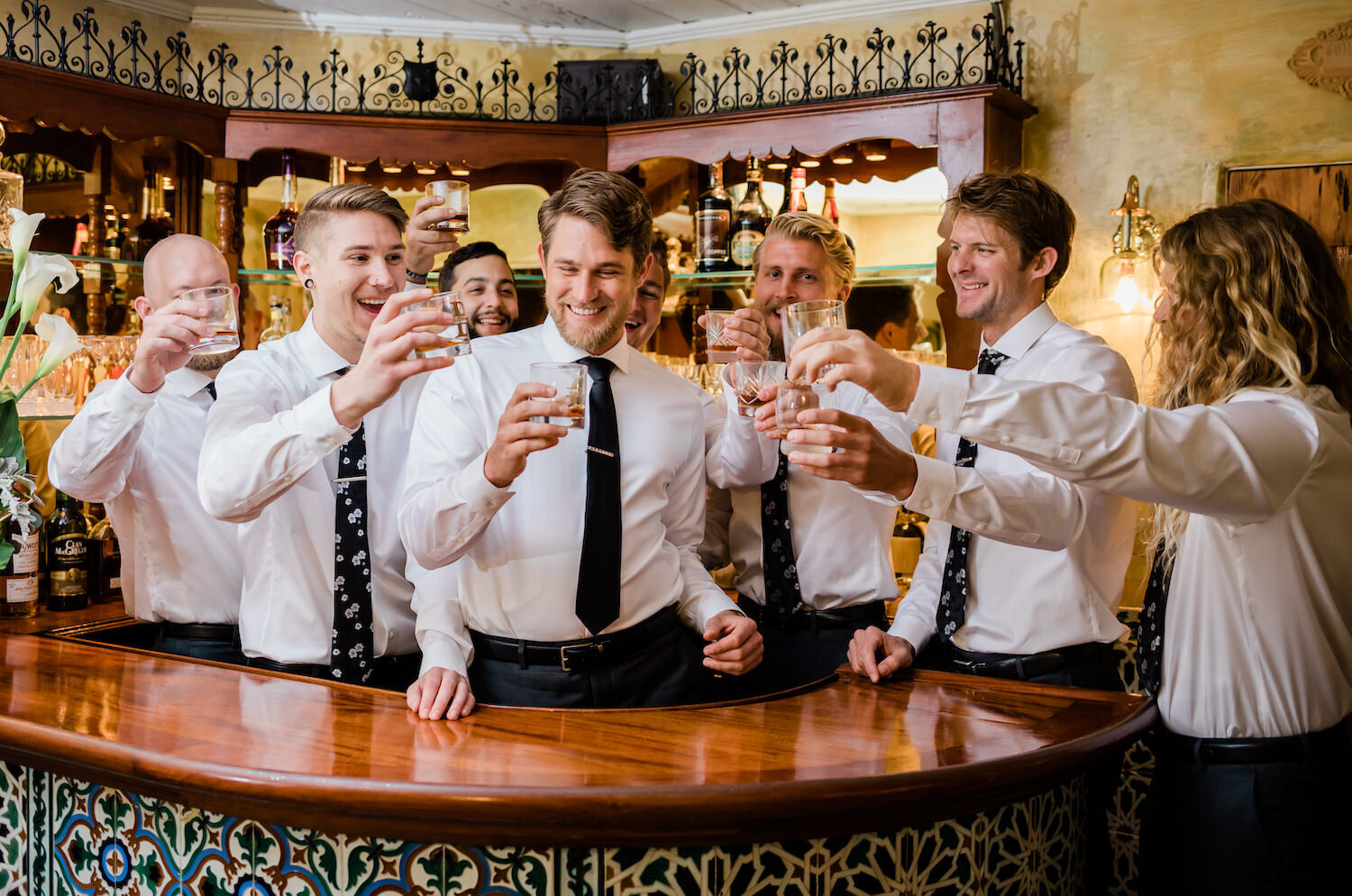
Every wedding day is different, but here’s a general idea of how a relaxed wedding day timeline often flows with 8 hours of photography coverage and a first look included.
Details & Getting Ready | 1.5–2 Hours
This portion of the day usually includes:
- Invitation suites
- Jewelry and accessories
- Dress or outfit details
- Candid getting-ready moments
- Final touches
- Getting dressed
One of the biggest ways to keep this part of the timeline stress-free is by making sure everyone who will be helping you into your outfit is already fully dressed beforehand. That way, your photos feel polished and intentional without having to pause and wait for people to finish getting ready themselves.
If both partners are wearing gowns, additional prep time is often helpful so each person’s details and dressing moments can be photographed fully without rushing.
First Look & Couple Portraits | 30–45 Minutes
This is often one of the calmest parts of the entire wedding day.
You finally get to see each other. The nerves settle, and the excitement becomes real.
After the first look, we usually move directly into newlywed portraits while the emotion is still fresh. Because there’s no pressure to rush back to cocktail hour yet, couples are often far more relaxed and connected during this part of the day.
Wedding Party Portraits | 30–40 Minutes
Wedding party photos run so much more smoothly when everyone knows where they’re supposed to be ahead of time.
One of my favorite timeline tips is designating someone responsible for boutonnieres and gathering the wedding party before portraits begin. Tiny details like this save more time than couples realize.
The energy shifts completely when nobody feels rushed.
Family Formals | 20–30 Minutes
Family photos are usually where timelines either stay on track or fall apart completely.
The biggest delays typically happen when:
- Family members don’t realize they’re needed for photos
- Extra relatives try to jump into portraits unexpectedly
- Complicated family dynamics aren’t communicated beforehand
- Nobody is helping gather people
This is why creating a family photo list ahead of time matters so much.
Having an experienced photographer also makes a huge difference here. Navigating divorced parents, large families, missing relatives, and emotional dynamics is genuinely part of the job, and keeping this portion calm and efficient protects the energy of the entire day afterward.
Golden Hour Portraits | 10–20 Minutes
Golden hour is hands-down one of the most beautiful parts of the day for portraits.
The light softens, everything glows, and couples finally get a quiet second to step away together again before the dance floor begins.
Even if we only sneak away for 10 minutes, it’s almost always worth protecting space for these portraits within your wedding day timeline.
Don’t Overschedule Your Wedding Day Timeline
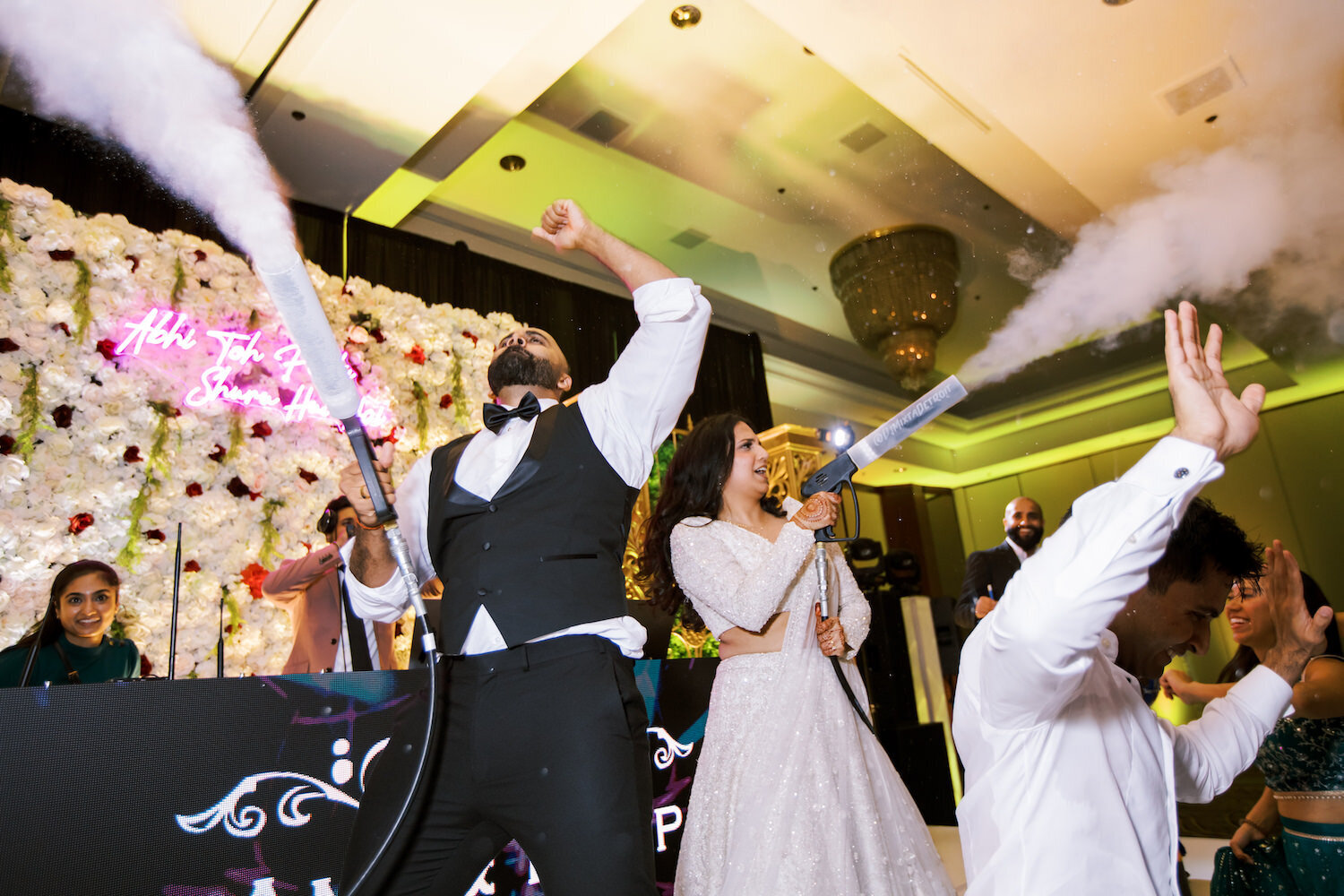
One of the biggest mistakes couples make is trying to fit too much into one day.
Too many locations.
Too many events.
Too many back-to-back moments without pause.
When every second is accounted for, the day starts feeling more like a production schedule than an experience.
Some of the most meaningful wedding moments happen in the in-between:
- Sitting quietly together before the ceremony
- Hugging your grandparents after family photos
- Freshening up together before introductions
- Laughing with your wedding party between portraits
- Taking a breath before walking into the reception
Downtime matters more than couples often realize. Your timeline should support the experience of your wedding day, not compete with it.
Common Wedding Day Timeline Mistakes to Avoid

Over the years, I’ve seen a few timeline mistakes come up repeatedly:
- Not building in buffer time
- Underestimating family photo timing
- Unrealistic travel windows between locations
- Late hair and makeup schedules
- Skipping sunset portraits entirely
- Trying to visit too many portrait locations
- Not communicating the timeline clearly with vendors
The good news? Most of these issues are completely preventable with intentional planning and an experienced vendor team helping guide the flow of the day.
The Best Wedding Day Timelines Leave Room to Feel Everything
A relaxed wedding day doesn’t happen by accident. It’s created intentionally.
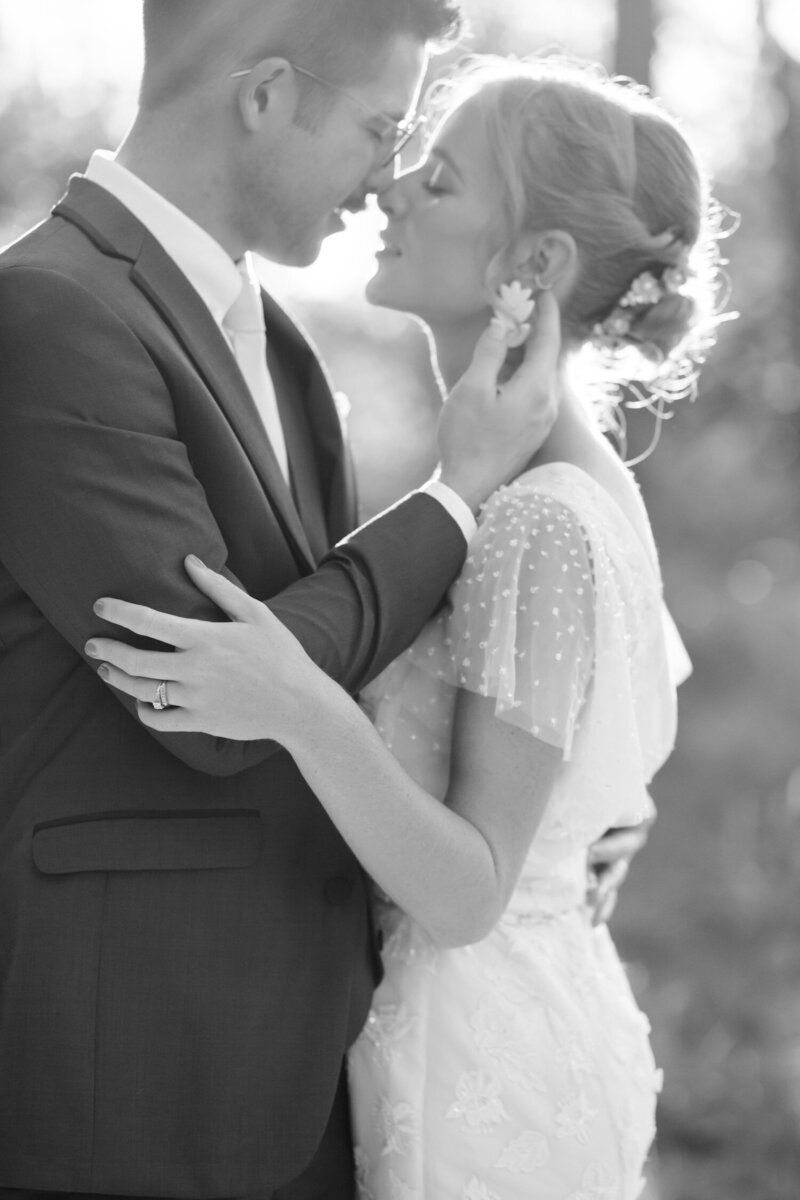
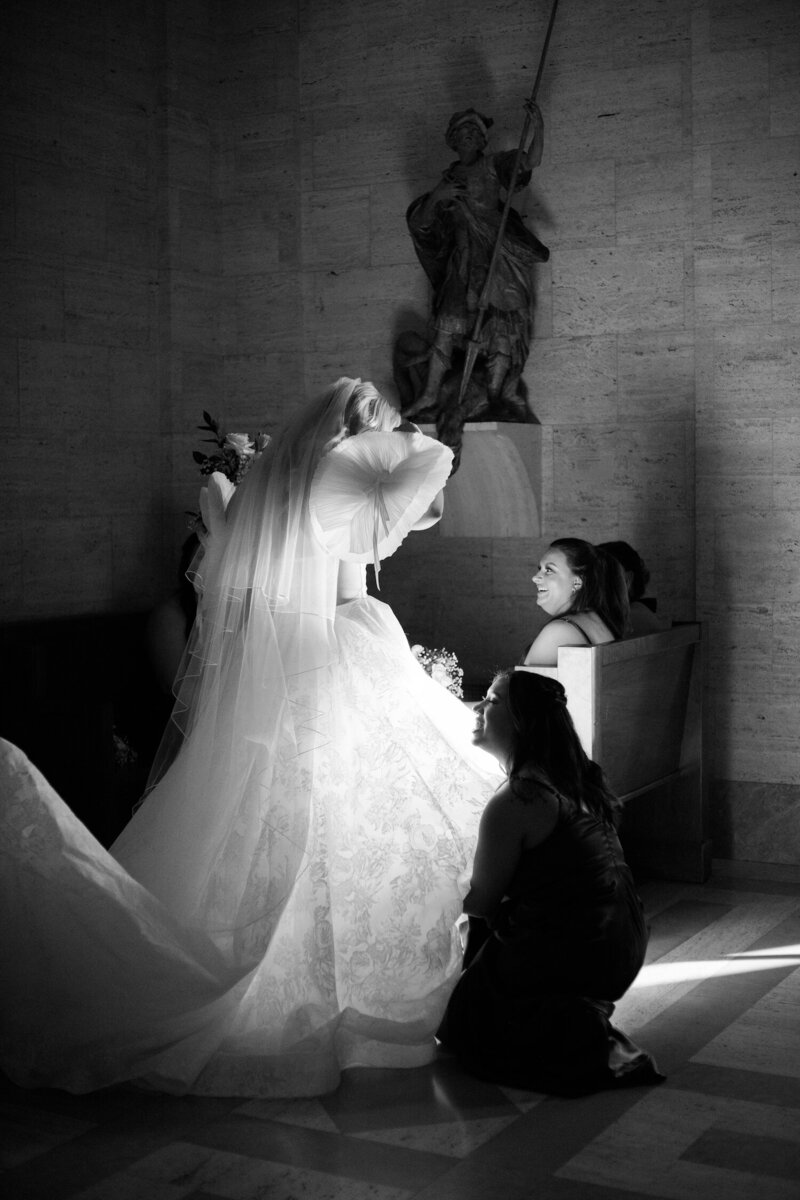
The most meaningful timelines aren’t the ones packed perfectly down to the minute. They’re the ones that allow couples to breathe, connect, laugh, cry, and actually experience the day as it unfolds.
Years from now, you probably won’t remember whether hair and makeup started exactly on time.
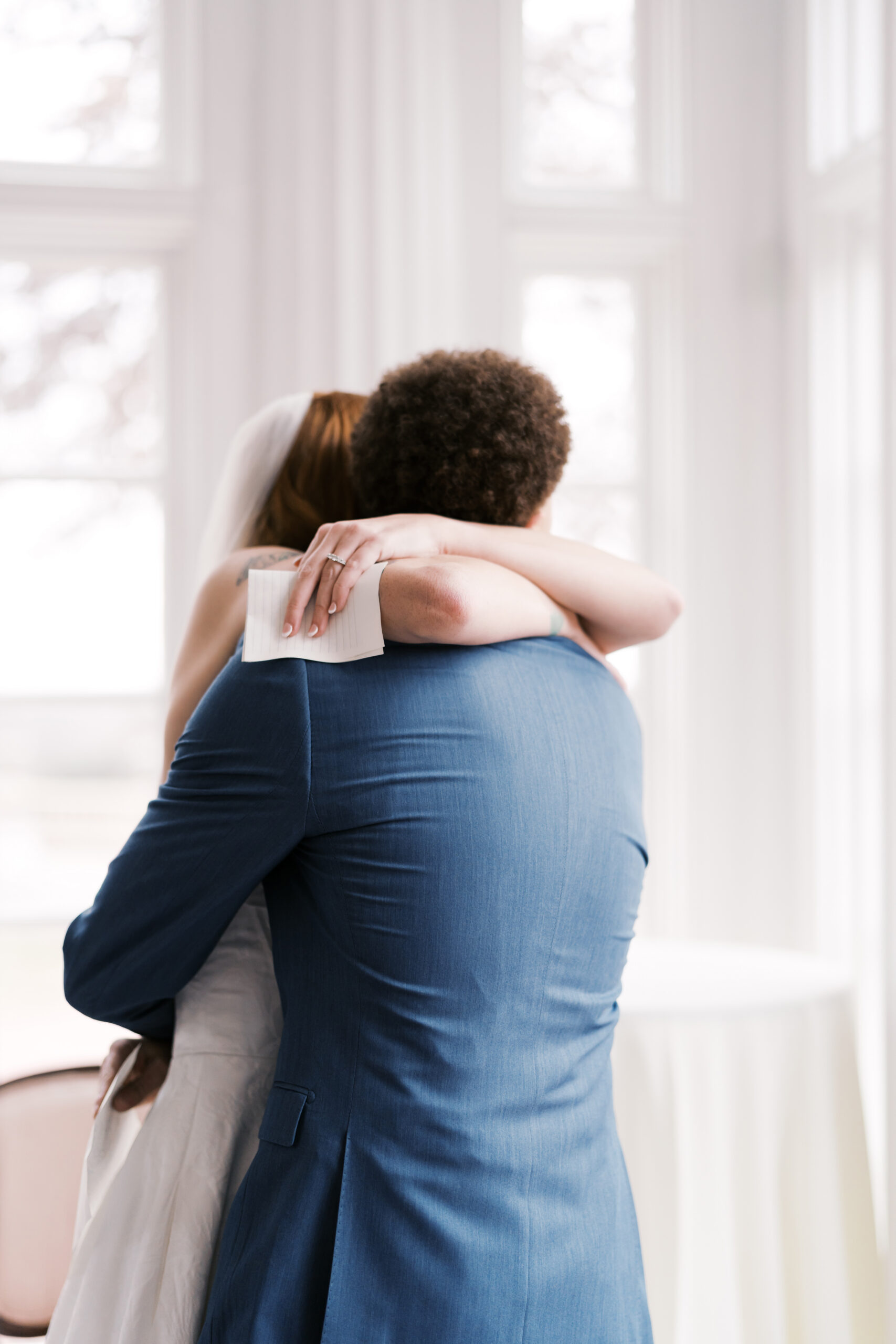
You’ll remember how it felt to hug your parents before the ceremony.
How your partner looked at you during your first look.
How your friends screamed when the dance floor opened.
How present you felt inside your own memories.
At its core, that’s what a thoughtful wedding day timeline is really protecting.
If you’re currently planning your wedding day, I also put together a wedding timeline guide that walks couples through creating a day that feels calm, connected, and genuinely enjoyable.


